How to Tell If a Rug Is Really Hand-Knotted
"Hand-knotted" gets used loosely in rug listings, sometimes accurately and sometimes not. A few checks, most of which take under a minute, will tell you what you're actually looking at.
Check the Back First
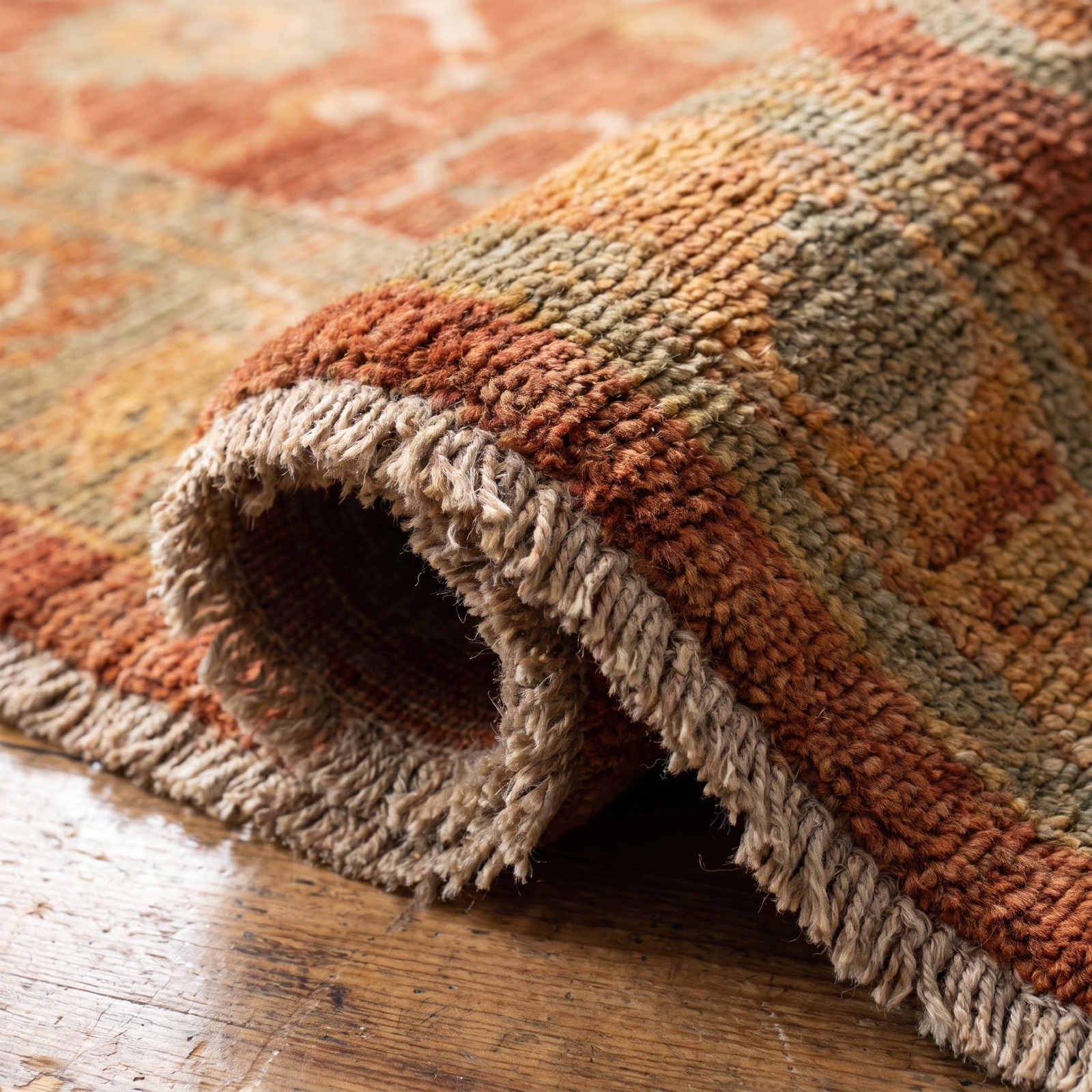
This is the single most reliable test. Flip the rug over: on a genuine hand-knotted piece, the back should mirror the front's pattern almost exactly, with individual knots visible and no separate fabric backing glued or sewn underneath. If there's a solid backing material covering the reverse, it isn't hand-knotted — it's tufted or machine-made, whatever the listing says.
Look at the Fringe
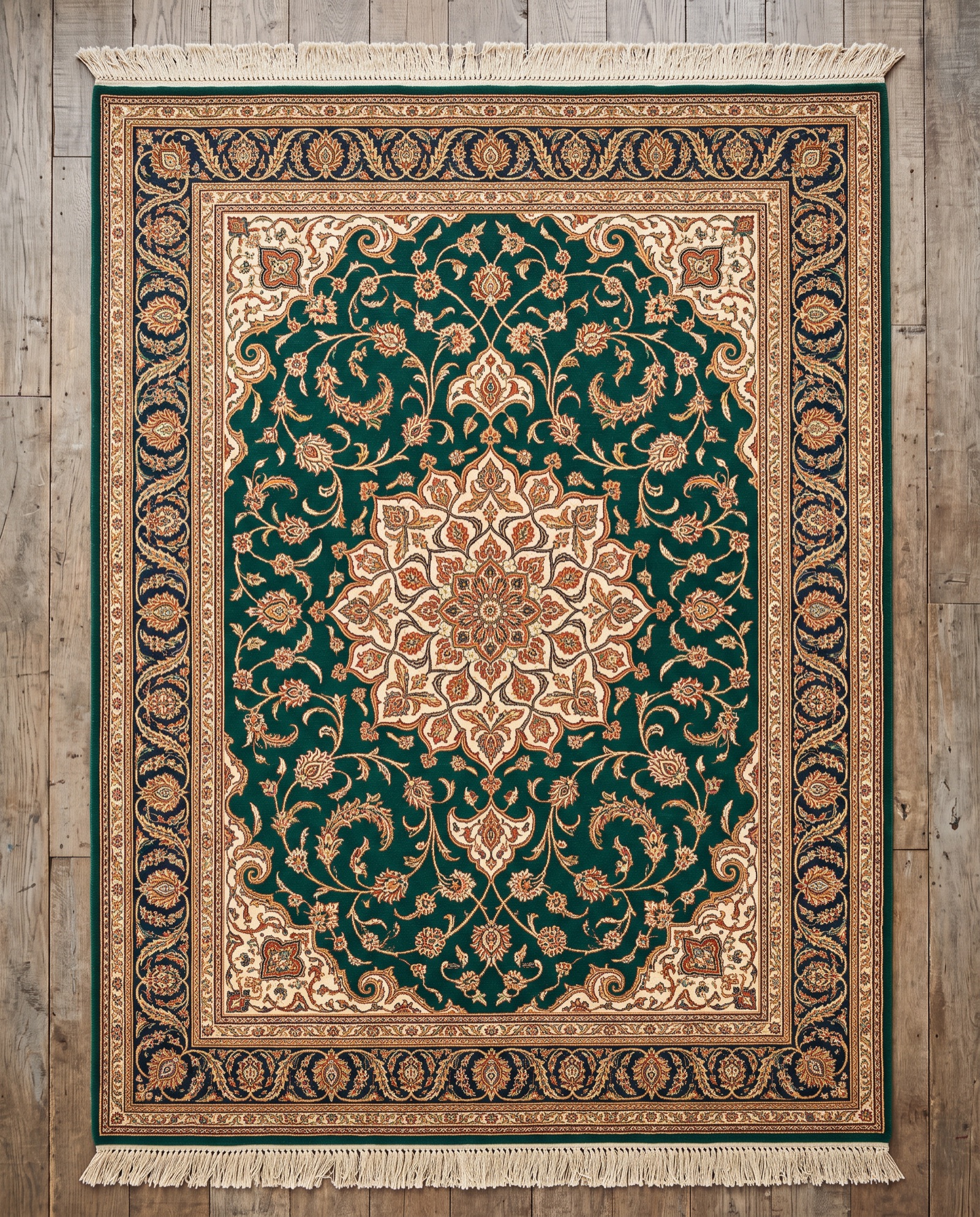
On a real hand-knotted rug, the fringe isn't a trim — it's the exposed warp threads that form the rug's own foundation, continuous with the body of the piece. If you can see the fringe is stitched or glued onto a separate edge, that's a machine-made or tufted rug dressed up to look otherwise.
Feel for Natural Variation
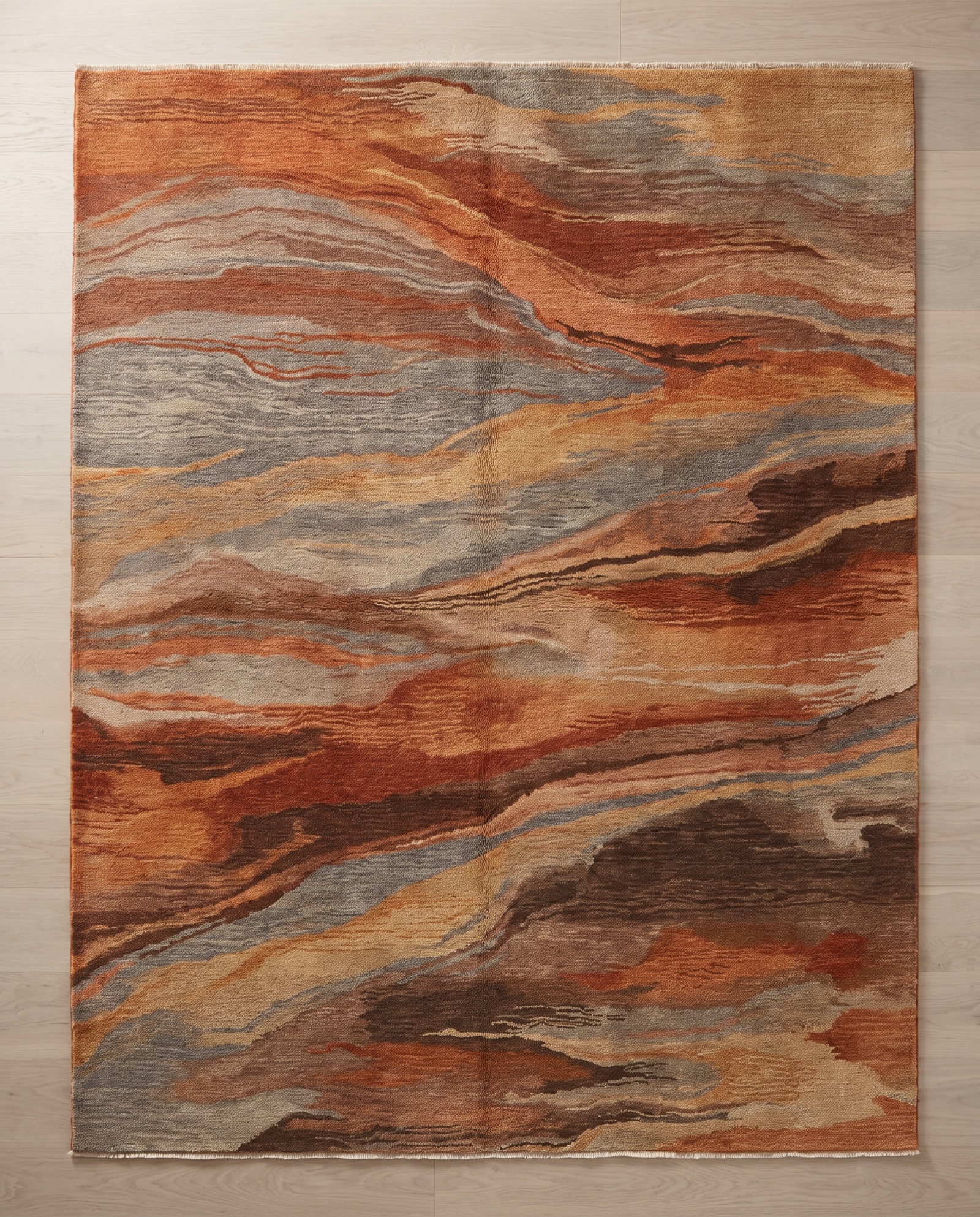
Genuine hand-knotted rugs, especially those dyed with natural pigments, often show subtle tonal shifts across the surface — a lighter or darker patch where dye lots changed slightly. This is called abrash, and it's a mark of authenticity, not a flaw. A perfectly uniform, machine-consistent color field is more often a sign of synthetic dye and machine production.
Be Wary of Prices That Seem Too Good to Be True
A hand-knotted rug represents weeks to months of skilled labor. If a room-sized piece is priced like a big-box machine-made rug, it almost certainly isn't hand-knotted, regardless of what the listing claims.
What This Looks Like in a SUNDUS Rug
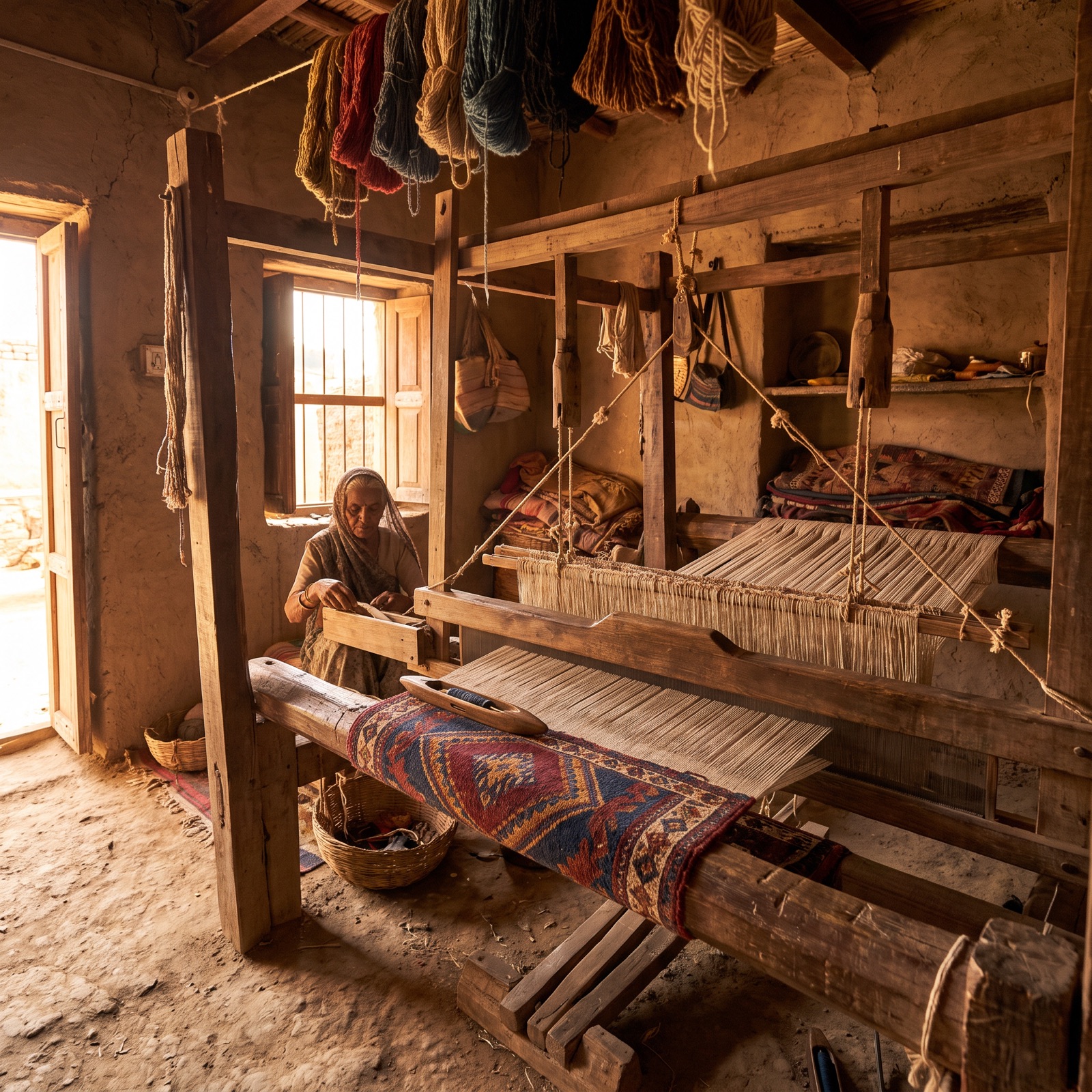
Every SUNDUS rug is knotted on a loom in our own workshop in Bhadohi, with the natural variation, genuine fringe, and knot-mirrored backing described above — not approximations of them. If you have a specific question about a piece before you order, we're glad to answer it directly.